Every great luxury house sells two things: what's in the bottle, and the story around it. Creed may be the best storyteller in modern perfumery. Its legend runs from Georgian London to the Paris of Napoleon III, with stops at Buckingham Palace and the court of Empress Eugénie. Some of it is documented. Some of it is, let's say, family lore. Knowing which is which only makes the bottles more interesting.
Perfume is the business of selling a dream, and Creed simply wrote a very good one.
The legend: 1760 and the royal tailor
According to the house, Creed was founded in London in 1760 by James Henry Creed as a tailoring business. The story goes that it dressed English aristocracy, made scented leather gloves for King George III, and later moved to Paris, where it supposedly served Queen Victoria, Empress Eugénie and a parade of crowned heads. Creed's official history also says that in 1885 Henry Creed was granted a royal warrant signed by the Mistress of the Robes, and that the document hangs in its Paris boutique today.
Now the honest part. The perfume side of this history is disputed. Independent researchers, fragrance writers and reference sources such as Wikipedia note that no outside evidence of Creed as a perfume house before about 1970 has turned up: no business records, warrants, receipts, vintage bottles or packaging. The first Creed perfume trademark was registered in France in 1979. There is better support for a Creed tailoring business in 19th-century London and Paris, since "Creed & Cumberland" and Henry Creed's riding habits for fashionable ladies appear in period sources. The leap from tailor to royal perfumer, though, rests largely on the house's own word. Treat 1760 as legend, the royal fragrance commissions as unverified, and the 1885 warrant as a claim made by Creed.
Is that a scandal? Not really. Perfume is the business of selling a dream, and Creed simply wrote a very good one. Plenty of fashion houses have taken a little poetic license with their past. Creed just did it with more ermine.
The modern house: Olivier Creed
What is documented is the modern Creed, and it's an impressive story on its own. Olivier Creed, who described himself as the sixth generation of the family, became the house's master perfumer in the 1970s (trade reports date his role to 1975). He built Creed into a niche powerhouse from its base near Fontainebleau, outside Paris, eventually alongside his son Erwin. Olivier Creed died on May 20, 2026, at 82, and tributes across the industry called him one of haute perfumery's great figures.
Creed's marketing leaned on the "Millésime" idea: fragrances presented like vintage wines, with batch-to-batch variation that collectors love to debate. Whether a bottle from one year beats another is a fragrance-forum blood sport. The house also became known for claims of celebrity wearers. Its advertising has long linked Green Irish Tweed to Cary Grant, for example, which, like many of Creed's famous-patron stories, isn't independently confirmed. Authorship is debated too. Journalist Gabe Oppenheim's book The Ghost Perfumer argues that outside perfumers had a hand in some classic Creeds, which the house's own narrative doesn't acknowledge.
The bottles that built the empire
Green Irish Tweed (1985) gave Creed its mainstream breakthrough. It's a fresh, green fougère of violet leaf, iris and sandalwood that still defines "gentleman" for many collectors.
Silver Mountain Water (1995) is the house's crisp alpine pour: bergamot, blackcurrant and green tea over an airy, mineral accord with sandalwood and musk. Creed describes it as being like a clean white shirt, and it works like one too. Shop Creed Silver Mountain Water 3.3oz ($260)
Millésime Impérial (1995) is a sunny, salty, citrus-and-fruit composition in a gold-capped bottle. It's unisex, bright and very Riviera. Shop Creed Millésime Impérial 3.3oz ($280)
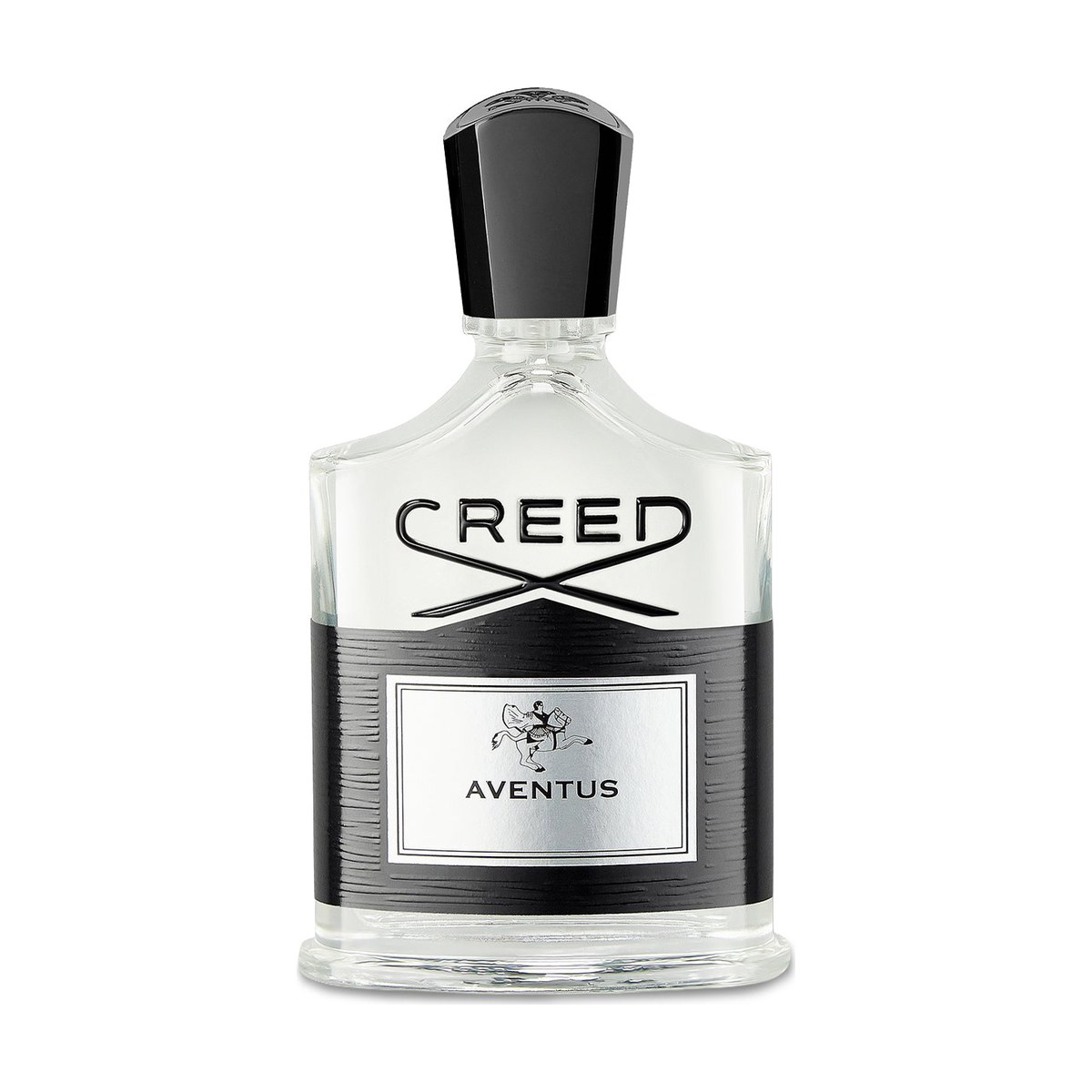
Aventus (2010) changed everything. Launched for what Creed presented as its 250th anniversary, and inspired by Napoleon according to Erwin Creed, it paired pineapple and blackcurrant with smoky birch. It became one of the most famous men's fragrances in the world, and one of the most imitated. Erwin Creed has said its success helped the house expand in the U.S. Shop Creed Aventus 3.3oz ($340)
That last point matters. Aventus became so iconic that it launched a whole category of "inspired-by" fragrances. The best known is Armaf Club de Nuit Intense Man (2015), which fragrance fans often compare to Aventus for its smoky-fruity profile at a fraction of the price. Armaf later released Club de Nuit Sillage, which reviewers liken to Silver Mountain Water, and Club de Nuit Milestone, compared to Millésime Impérial. Being imitated is the ultimate compliment, and Creed has collected plenty of them. Shop Armaf Club de Nuit Intense Man 3.6oz ($30) · Club de Nuit Sillage ($35)
A new era
The business side has moved fast. In 2020, BlackRock's long-term private capital fund became Creed's majority shareholder, ending decades of family control. In 2023, Kering, the group behind Gucci and Saint Laurent, bought the house for a reported €3.5 billion. It was one of the biggest deals ever for a niche fragrance brand. Then, in late 2025, Kering sold its beauty division, Creed included, to L'Oréal. A house that claims 18th-century roots now sits inside the world's largest beauty company, run by executives who answer to shareholders, not kings.
So, should you believe the legend?
Believe the bottles. Whatever happened in 1760, the juice Creed has made since the 1980s is real, and so is its influence. Green Irish Tweed set the template for the modern fresh masculine. Silver Mountain Water made "clean" feel expensive. Aventus rewrote the rules for an entire generation. The royal story is a lovely thing to tell at dinner. Just add "or so they say" at the end. It makes you sound even more interesting.
Not sure which Creed is yours? Take our Scent Finder quiz.